
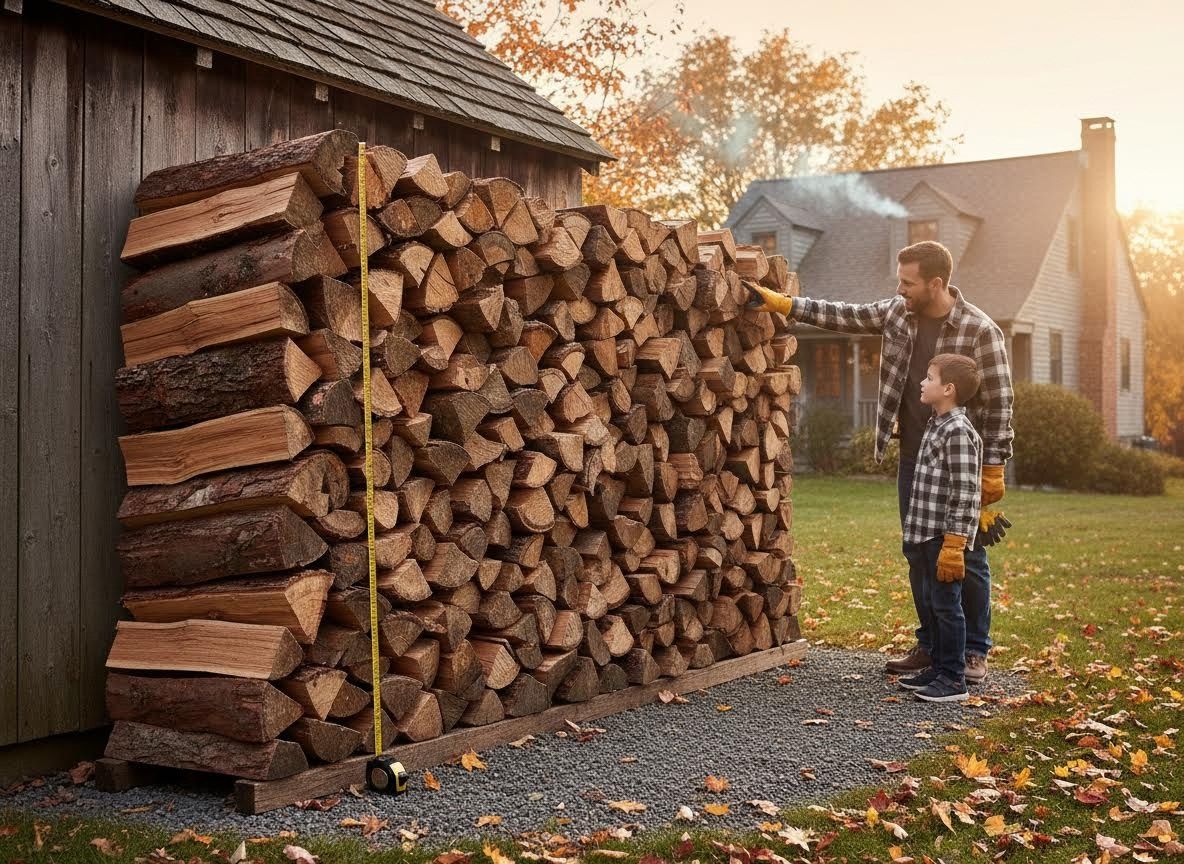
When it comes to keeping your home warm and cozy, especially during New England's colder months, understanding the basics of firewood is essential. One of the most common questions we hear is about how firewood is measured, specifically, "What exactly is a cord of wood?" For generations, homeowners have relied on the steady warmth of a wood fire, and at Bill's Sales, we believe in equipping our neighbors with both high-quality products and the knowledge to make informed decisions for their properties.
The Official Cord: A Standard of Measure
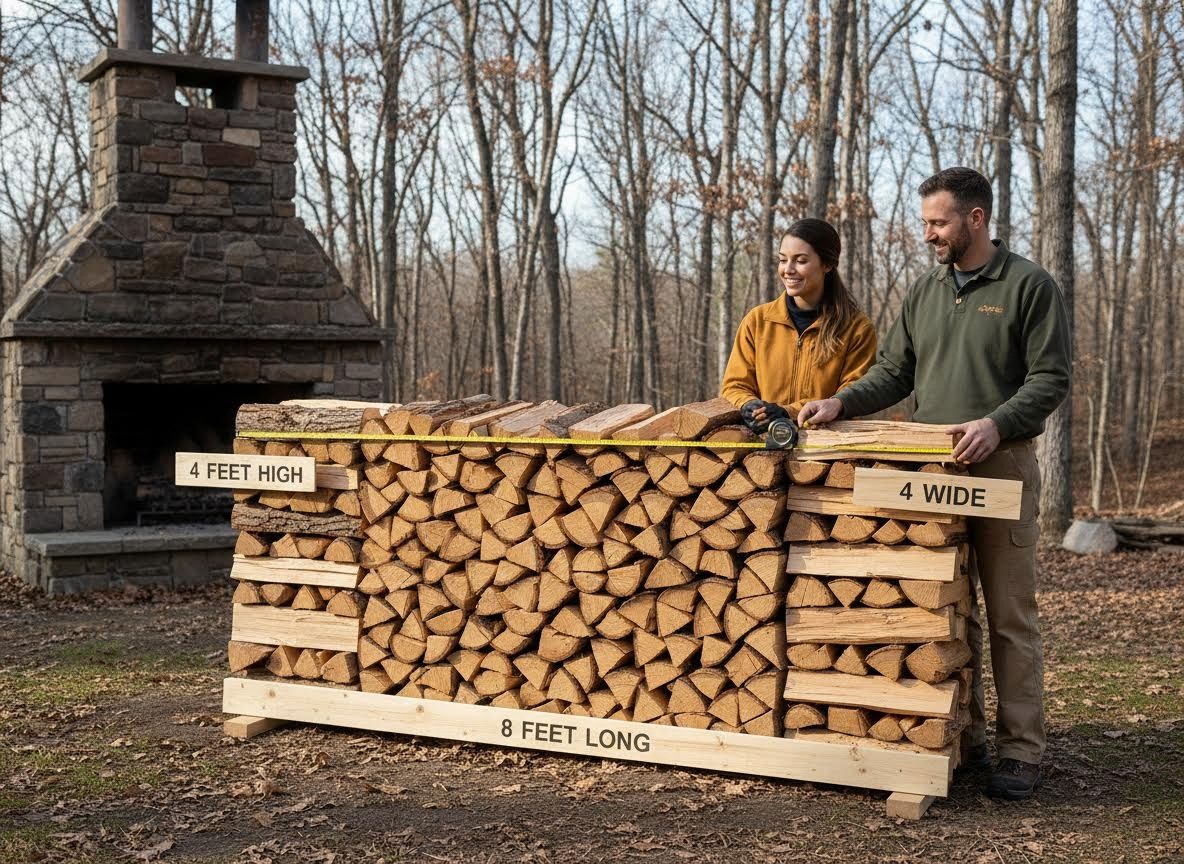
A true cord of wood is a precisely defined unit of measurement, often misunderstood but crucial for fair transactions and proper planning. By definition, a cord measures 4 feet high, 4 feet wide, and 8 feet long, equaling a total volume of 128 cubic feet. This volume accounts for both the wood and the air space between the logs when stacked neatly. It’s important to visualize this: if you were to stack logs tightly in a space this size, you'd have a full, legitimate cord. This standard ensures that buyers and sellers have a clear, consistent understanding of the quantity being exchanged.
Beyond the Standard: Understanding Variations and Misconceptions
While the 4x4x8 foot measurement is the universal standard for a cord, you might encounter other terms like "face cord," "rick," or "stove cord." These terms often refer to smaller, non-standard quantities and can vary significantly by region or seller. A "face cord," for instance, is typically 4 feet high and 8 feet long, but only as deep as the individual pieces of wood (e.g., 16 or 18 inches), making it significantly less than a full cord. Understanding these distinctions is vital to ensure you're getting the quantity you expect and paying a fair price. Reputable suppliers will always default to the standard cord measurement or clearly specify if they are selling a different quantity.
The Quality of Your Cord: Seasoned vs. Kiln-Dried
Beyond the volume, the quality of your firewood dramatically impacts its performance and efficiency. "Green" wood, freshly cut with high moisture content, burns poorly, produces excessive smoke, and can lead to creosote buildup in your chimney. "Seasoned" wood has been air-dried for 6-12 months, reducing its moisture content significantly. However, for the ultimate in clean and efficient burning, "kiln-dried" firewood is the superior choice. Kiln-drying rapidly removes moisture to optimal levels, ensuring a hotter, cleaner burn with minimal smoke, maximum heat output, and the assurance of pest-free wood. Investing in quality, properly dried wood is investing in the longevity of your heating system and the comfort of your home.
Your Dependable Source for Home Heating Solutions
Understanding what constitutes a true cord of wood is just the first step in ensuring a warm, efficient home heating season. From the precision of the standard definition to the importance of seasoned or kiln-dried logs, making an informed choice is key. Since 1975, our family at Bill’s Sales & Service has been dedicated to providing the Tiverton and Portsmouth communities with reliable, high-quality home heating resources, including premium firewood. To explore dependable heating solutions and learn more about our firewood options that withstand the New England elements, please reach out to our team or visit one of our display locations.