
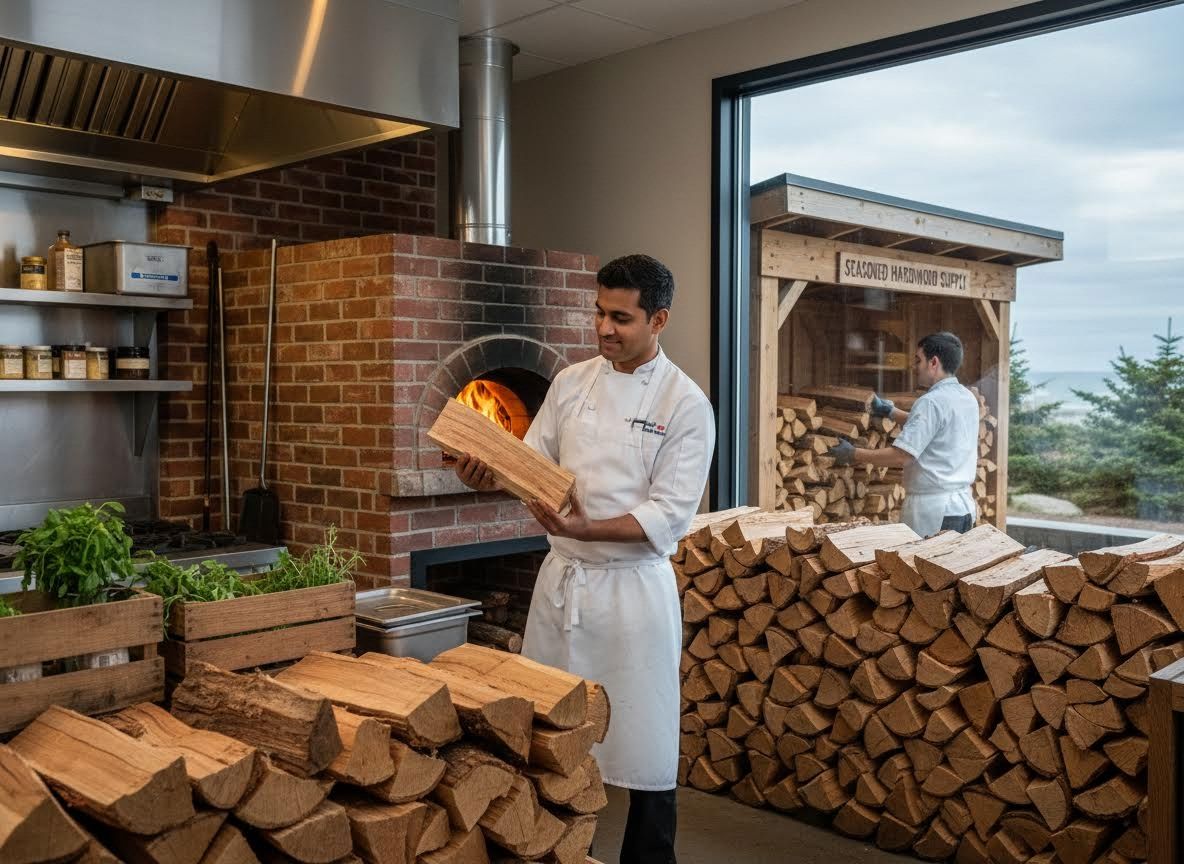
For Rhode Island restaurants, maintaining a consistent and high-quality firewood supply is crucial for wood-fired ovens and grills, ensuring both operational efficiency and customer satisfaction. The challenge lies in securing this supply year-round, navigating seasonal demands and storage logistics. At Bill’s Sales, we understand the importance of reliable operations for local businesses, and a steady fuel source is key to many culinary ventures.

Understanding Your Wood Requirements
Before sourcing, it's vital for restaurants to clearly define their firewood needs. The type of wood significantly impacts flavor and burn efficiency; hardwoods like oak, maple, and ash are preferred for their longer burn times and consistent heat, producing less creosote. Crucially, the wood must be properly seasoned — meaning it has been dried for at least 6-12 months — to reduce moisture content. Unseasoned wood burns inefficiently, produces more smoke, and can affect the taste of food. Restaurants should also estimate their weekly or monthly consumption to determine the necessary volume for year-round operation, accounting for peak seasons.

Establishing Reliable Supply Channels
Securing a consistent firewood supply requires strategic planning and partnerships. Instead of relying on ad-hoc purchases, establish long-term relationships with reputable firewood suppliers. Look for a local Rhode Island company that can commit to regular deliveries and understands the specific demands of commercial kitchens. Consider signing annual contracts to lock in pricing and ensure priority delivery, especially during colder months when demand peaks. Diversifying suppliers can also mitigate risks; having a primary and a secondary vendor ensures continuity even if one faces unforeseen issues. Inquiring about their sourcing practices, such as whether they harvest sustainably, can also align with a restaurant's broader environmental goals.
Optimizing Storage and Inventory Management
Proper storage is as critical as sourcing quality wood. Firewood should be stored in a dry, well-ventilated area, off the ground to prevent moisture absorption and insect infestation. Many restaurants utilize dedicated sheds or covered outdoor spaces with good airflow. Avoid stacking wood directly against building walls, as this can trap moisture. Implement a clear inventory management system to rotate stock, ensuring that older wood is used first. This prevents degradation and guarantees that only properly seasoned wood enters the kitchen. Consistent monitoring of stock levels helps anticipate reorder points, preventing costly last-minute rushes and potential operational disruptions.
Maintaining a steady firewood supply for Rhode Island restaurants demands proactive planning, reliable partnerships, and efficient storage solutions. By understanding specific wood requirements, forging strong relationships with local suppliers, and implementing smart inventory management, restaurants can ensure their wood-fired operations run smoothly throughout the year. For insights into building robust operational frameworks for your business, consider exploring the resources Bill’s Sales has to offer. Get in touch with us today!