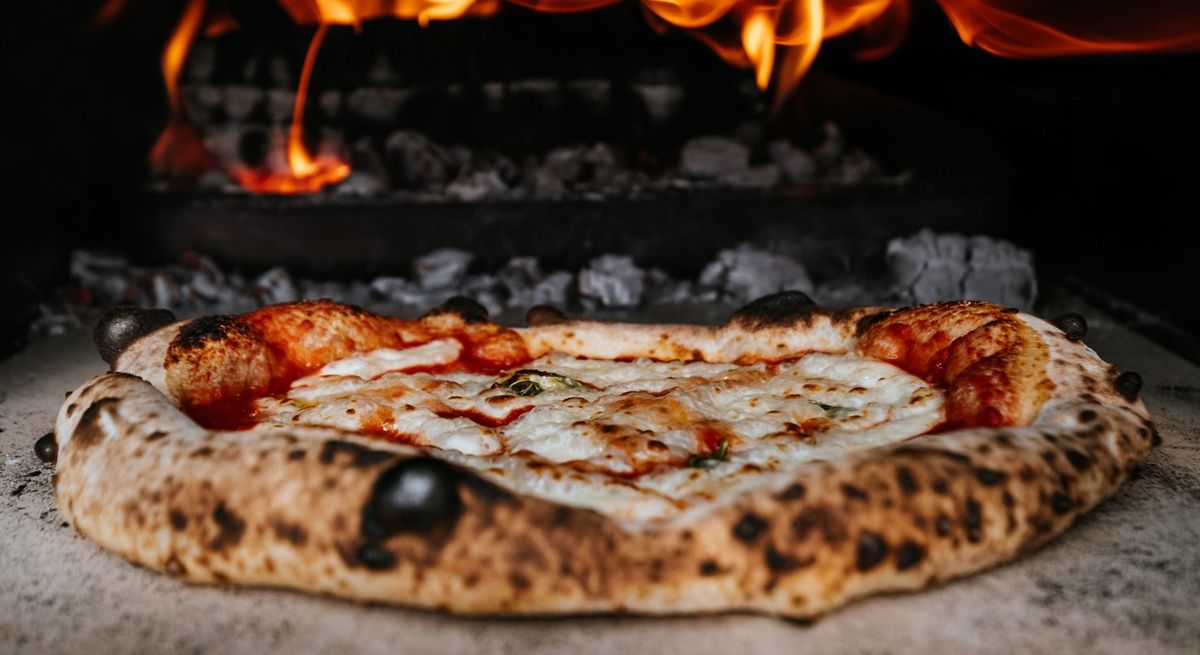
Choosing the right firewood for your restaurant oven is paramount to achieving culinary excellence and efficient operation. The type of wood you burn directly influences flavor, temperature consistency, and even oven longevity. Understanding these nuances can elevate your dishes and streamline your kitchen workflow, and Bill’s Sales is here to help you navigate these important choices. This guide will help you understand the critical factors involved in selecting the best wood for your culinary needs.
Understanding Wood Types and Their Properties
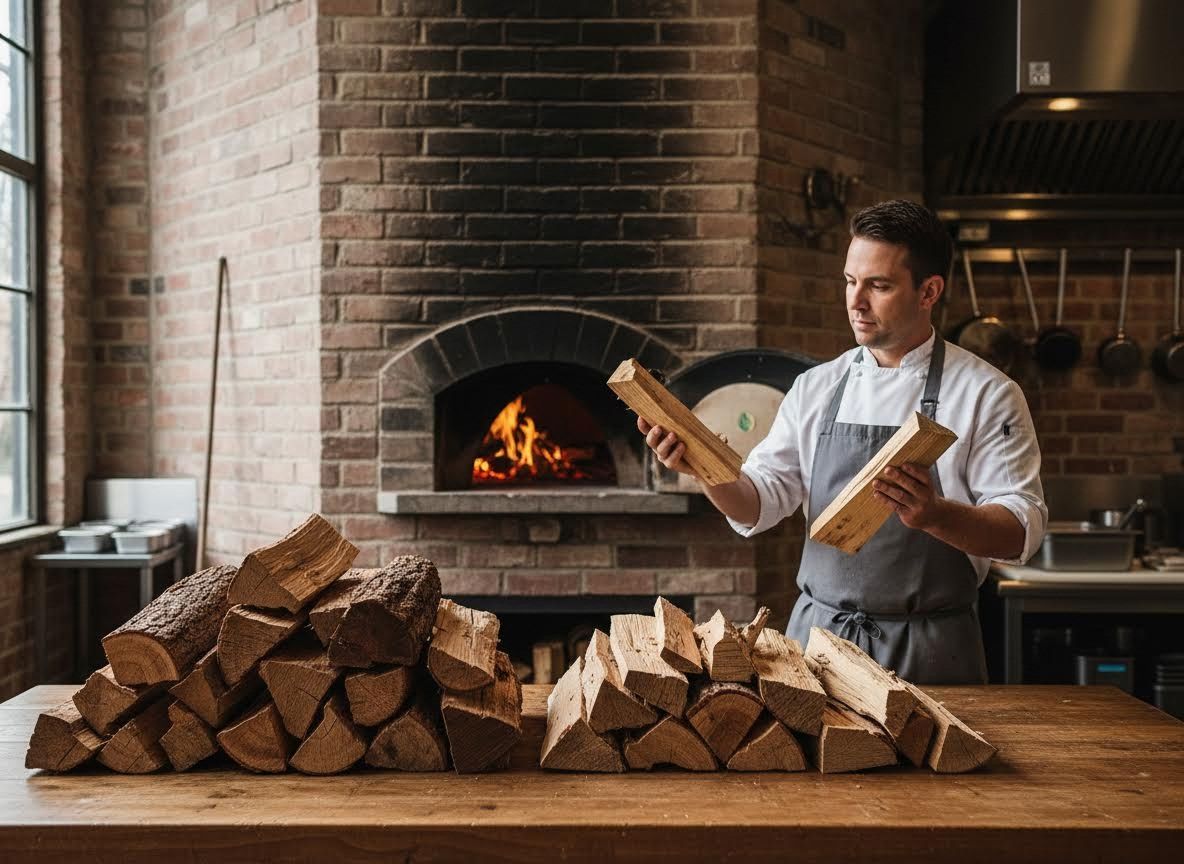
Not all wood is created equal when it comes to burning in a restaurant oven. Hardwoods, like oak, maple, hickory, and fruitwoods (apple, cherry), are generally preferred over softwoods such as pine or spruce. Hardwoods are denser, meaning they burn hotter and longer, providing more consistent heat necessary for cooking. They also produce less creosote and fewer sparks, contributing to cleaner burning and safer operation. Softwoods, conversely, burn quickly and tend to produce more smoke and sparks, making them less ideal for sustained, high-heat cooking and potentially imparting undesirable flavors.
Key Factors for Restaurant Oven Performance
When selecting firewood, consider how it impacts your oven's performance and your food. High heat output is essential for quick cooking and achieving perfect crusts on items like pizza. Consistency is also key, as fluctuating temperatures can ruin dishes. Different woods impart distinct flavor profiles; for instance, hickory offers a strong, smoky flavor ideal for barbecue, while applewood provides a milder, sweeter smoke perfect for poultry. Minimizing creosote buildup is crucial for oven maintenance and safety, as hardwoods burn cleaner, reducing the frequency of cleaning and the risk of chimney fires. Finally, safety considerations like excessive sparking should also influence your choice.
The Importance of Seasoned Wood
Perhaps the most critical factor in choosing firewood is ensuring it is well-seasoned. Seasoned wood has been dried for at least 6-12 months, reducing its moisture content significantly. Burning unseasoned, or "green," wood is highly inefficient; it produces more smoke than heat, burns poorly, and contributes to excessive creosote buildup in your oven and chimney. Properly seasoned wood, on the other hand, burns hotter, cleaner, and more efficiently, saving you time and money on fuel and maintenance. When sourcing your wood, especially from a local Rhode Island company, always inquire about its seasoning process and moisture content.
Ultimately, the right firewood is an investment in your restaurant's quality and efficiency. By prioritizing seasoned hardwoods that deliver consistent heat and the desired flavor profile, you ensure every dish meets your high standards while maintaining oven longevity. For guidance on sourcing premium, appropriate firewood solutions for your commercial kitchen, explore the resources available through Bill’s Sales. To further optimize your heating and cooking processes, reach out to our team for quality firewood today!