
Choosing the right firewood for your home is more than just grabbing a stack; it's about maximizing efficiency, warmth, and safety. The type of wood you burn significantly impacts heat output, burn time, and even the upkeep of your chimney. At Bill’s Sales, we know that quality materials are foundational, whether for construction or for a well-stoked fire. Let's delve into the characteristics that make certain woods ideal for different purposes.
Hardwoods vs. Softwoods
The fundamental distinction in firewood lies between hardwoods and softwoods. Hardwoods, such as oak, maple, birch, and ash, are dense and provide a longer, hotter, and more consistent burn. They are ideal for primary heating or extended fires in a fireplace or wood stove, producing fewer sparks and less creosote. Softwoods, including pine, fir, and cedar, are less dense and burn quickly with a more intense flame. While excellent for kindling or short, rapid fires, they also produce more smoke and creosote buildup, which requires more frequent chimney cleaning. Understanding your immediate need will guide your choice between these two categories.
The Critical Role of Seasoned Wood
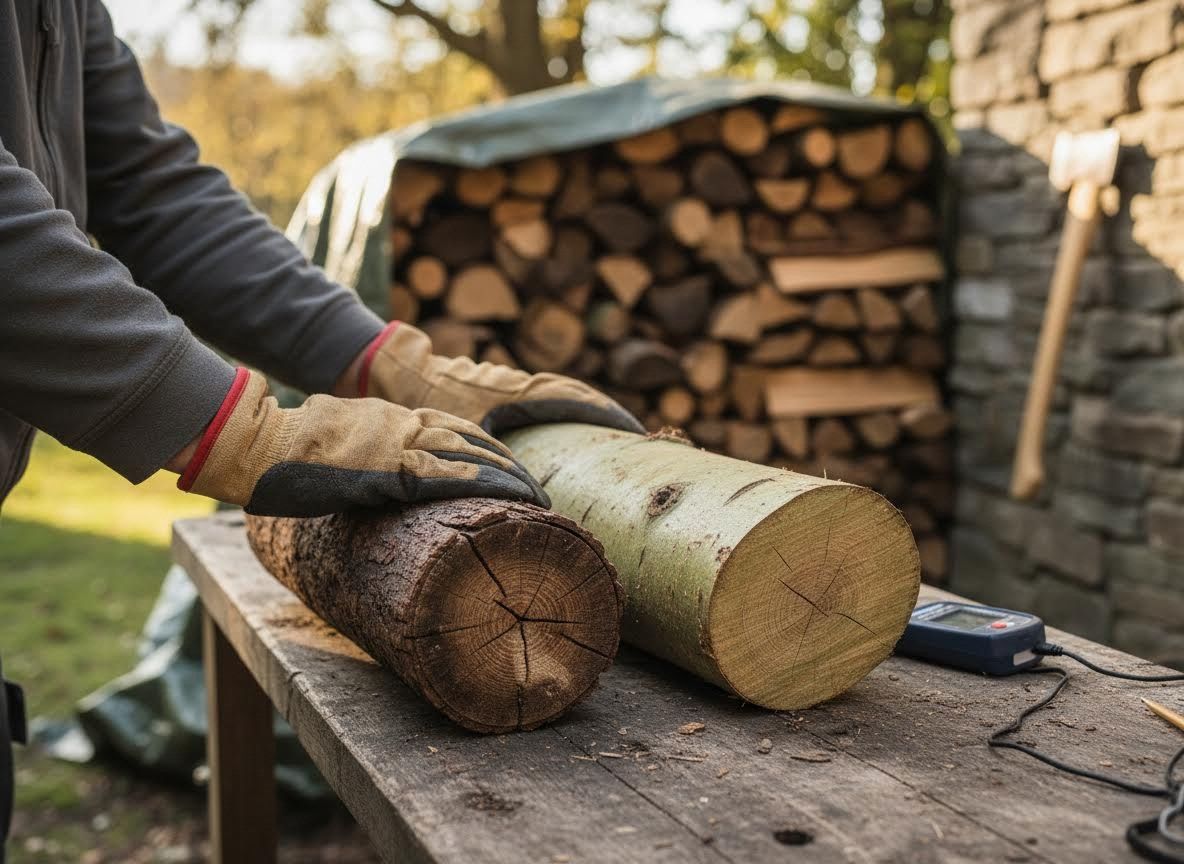
Regardless of wood type, the most crucial factor for efficient burning is its moisture content. Seasoned wood, which has been dried for at least six months to a year, ideally has a moisture content below 20%. Burning wet or "green" wood is inefficient because much of the heat energy is wasted boiling off the water within the logs, leading to more smoke, less heat, and significant creosote accumulation in your chimney. You can identify seasoned wood by its lighter weight, darker color, visible cracks or "checking" at the ends, and a hollow sound when two pieces are knocked together. Unseasoned wood, conversely, looks fresher, feels heavy, and may even hiss or sizzle when burned.
Sourcing and Storing Your Firewood
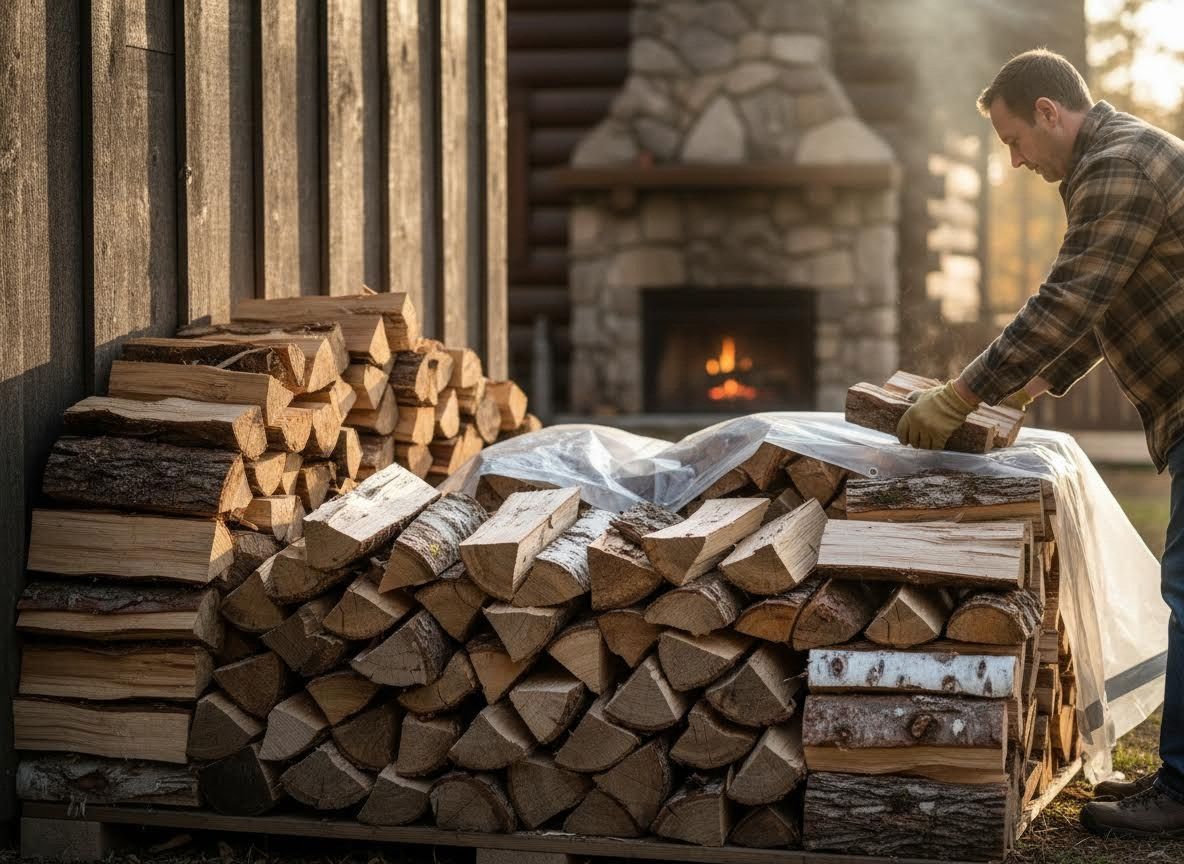
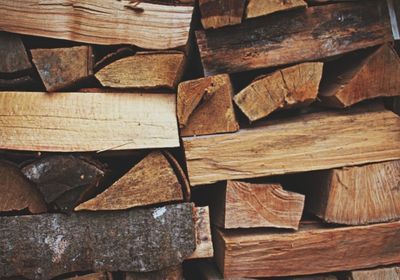
When acquiring firewood, always prioritize reputable suppliers. Ask about the wood's origin and how long it has been seasoned. Supporting a local Rhode Island company for your firewood needs not only ensures freshness but also helps the regional economy. Once purchased, proper storage is key to maintaining its low moisture content. Stack your firewood in an elevated position, off the ground, to prevent moisture absorption and deter pests. Cover the top to shield it from rain and snow, but leave the sides open to allow for adequate airflow. This ventilation is essential for continued drying and to prevent mold or rot.
Selecting the optimal firewood significantly enhances your burning experience, offering better heat and a cleaner burn for your home. By focusing on wood type, moisture content, and proper storage, you ensure both safety and efficiency. Bill’s Sales is dedicated to equipping our community with valuable insights for all their contractor-related requirements. For more detailed guides and expert advice on optimizing your home's efficiency and maintenance, consider reaching out to us today.